Leadership After Difficult Work
Your team needs more than a reminder to be resilient.
People in Human Services often work close to pain. They respond to crisis, listen to hard stories, make consequential decisions, and keep showing up for people who may be having one of the worst days of their lives. Supervisors carry that work too, while also being expected to keep priorities clear, support staff, address concerns, and make sure the team can continue to serve well.
After a difficult event, it is tempting to either push ahead as if nothing happened or try to solve feelings that a supervisor is not equipped to solve. Neither approach gives a team what it needs. A trauma-informed leadership approach helps supervisors create a steadier middle ground: notice the impact, make room for a practical check-in, reconnect people to the right support, and bring enough clarity back to the work that no one is left guessing what happens next.
This is leadership training, not clinical treatment. The goal is to help leaders use their role well: communicate without minimizing, set expectations without becoming cold, protect dignity during a hard conversation, and follow established safety and support procedures when something needs more than a supervisor can provide.
The Moments That Matter
Pressure can change how people hear, decide, and work together.
A staff member may be quiet after a difficult client interaction. A team may be short-tempered after a crisis, loss, or conflict. A supervisor may need to address a missed responsibility at the exact moment someone is already overwhelmed. In those moments, good intentions alone do not tell a leader what to do. People need a response that is human, appropriately bounded, and clear about the work that still needs to happen.
Without a shared approach, teams can drift into uneven patterns. One supervisor avoids the conversation altogether. Another moves quickly to correction without hearing context. A third takes on everyone else’s problems until their own capacity runs out. Staff notice the inconsistency, and the pressure becomes harder to carry.
Practical training gives leaders a way to slow the moment down without stalling the work. They learn how to check what is needed now, separate an immediate safety or clinical concern from a leadership conversation, make a fair decision boundary visible, and return to the agreement after the initial intensity has passed. Those ordinary habits make it easier for people to trust both the leader and the next step.
Experience That Respects The Work
Useful leadership support has to hold up when the day gets personal.
Training should give a supervisor something they can use in the next huddle, shift transition, one-to-one, or follow-up after a hard call. That is where a leadership principle becomes a leadership habit: in the moment when a person needs both respect and a clear path forward.
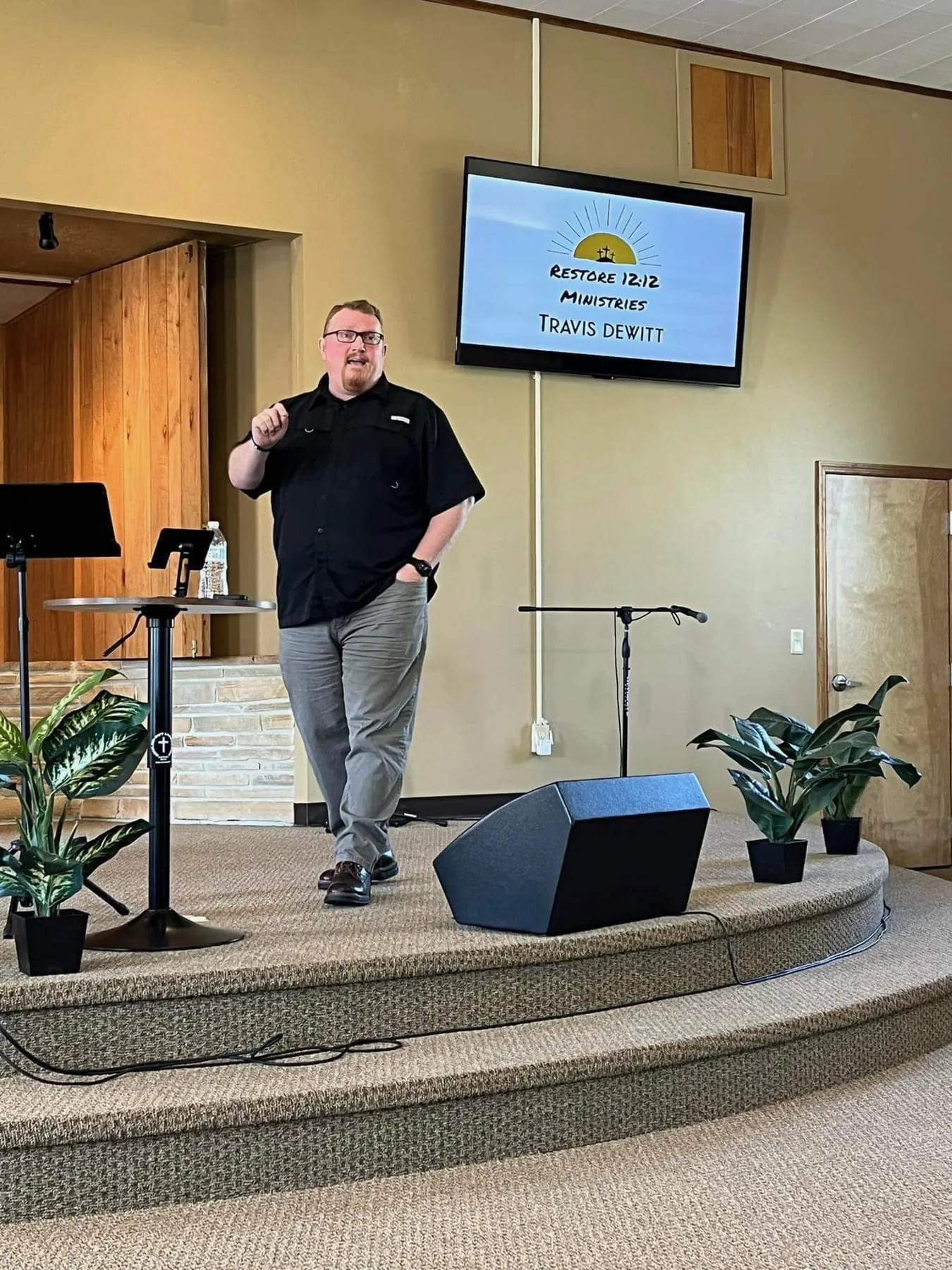
Travis DeWitt brings more than 30 years of frontline leadership experience across military special operations, vocational ministry, nonprofit leadership, and community-based mental health and addiction services. His work recognizes the tension Human Services leaders live with every day: people need care, the mission still matters, and leaders cannot do everything alone.
Threshold keeps the focus on the practical conditions supervisors can influence. Leaders build confidence in how they check in, communicate expectations, coach people through a challenge, use appropriate support systems, and return to commitments after immediate pressure has eased.
Meet Travis →A Practical Starting Point
Begin with the pressure your leaders are carrying now.
- Describe the situations that keep repeating. Start with the moments taking the most energy: a difficult client event, staff strain after a crisis, missed follow-through, tense conversations, uncertainty about what a supervisor should do, or a team that needs a steadier way to regroup.
- Clarify the leadership role. Identify what supervisors can influence directly, what needs a clear protocol, and when another resource should take the lead. This keeps training grounded and protects people from being asked to do work outside their role.
- Choose support that fits the team. The right next step may be a focused workshop, a shared supervisor program, peer learning, coaching follow-through, or a combination. Leaders need time to practice, apply a skill, and come back with an honest question.
- Keep it close to daily service. The goal is not another burden on a full calendar. It is a more dependable way for leaders to handle the conversations, priorities, and follow-through that are already part of the job.
For teams developing a common approach, Frontline Forward combines self-paced learning, live workshops, peer circles, and coaching follow-through over 12 weeks. It gives supervisors a shared language and repeated chances to put useful habits into practice.
A focused need may call for a smaller starting point. An introductory conversation can help identify what your leaders need now and how the work can respect the support systems your organization already has in place.
See the Frontline Forward program →Support That Holds Up
Give supervisors a steadier way to lead after difficult work.
When leaders have practical language, clear boundaries, and a reliable follow-up rhythm, teams spend less energy trying to decode what is expected or recover from avoidable misunderstandings. That creates more room for thoughtful work, stronger relationships, and care that feels consistent.
This does not require a generic rollout or a perfect diagnosis on day one. It begins with an honest conversation about what your people carry, where supervisors are getting stuck, and what would make the next difficult moment more manageable.
Threshold helps organizations choose a level of support that fits the need, whether that means developing new supervisors, strengthening experienced managers, or building a more consistent leadership culture around demanding human work.
Talk About Your Team