Leadership That Serves The Mission
Your mission depends on the everyday leadership your people experience.
Nonprofit work asks people to carry a great deal. A frontline supervisor may be supporting a staff member through a hard day, responding to a client need, covering an unexpected absence, protecting a program deadline, and trying to keep the team connected to why the work matters. The responsibility is immediate, personal, and rarely tidy.
Strong people are often promoted because they care deeply, know the work, and can be counted on when something needs to happen. Then they are asked to coach, correct, delegate, manage conflict, and make decisions that affect both people and service. Without practical support, those leaders can end up relying on instinct alone while the organization carries the cost of uneven expectations and missed follow-through.
Nonprofit leadership training gives supervisors a steadier way to handle the moments that shape a team’s experience of work. The aim is not to turn caring leaders into distant administrators. It is to help them lead with enough clarity, courage, and consistency that people understand the work, feel respected in the process, and know where to go when something is not working.
Where The Pressure Shows Up
Small leadership gaps can create a heavy load across a nonprofit team.
A program manager may make one decision while a shift supervisor makes another. A staff member may receive feedback only after frustration has built. An experienced employee may quietly carry work that should be shared because no one has named the handoff clearly. None of these moments are unusual, but together they can leave people feeling stretched, uncertain, or unsupported.
The work is not about adding more meetings or making every leader sound the same. It is about giving supervisors a few shared ways to lead the moments that matter: how to set a clear expectation, how to ask before assuming, how to make a decision visible, how to respond when the work slips, and how to return to an agreement instead of hoping it resolves itself.
When leaders handle those moments with more consistency, people spend less time guessing what is expected or trying to work around a problem alone. The organization can put more of its attention where it belongs, serving people well and moving the mission forward.
Grounded In Mission-Driven Work
Development should respect the pressure leaders are already carrying.
Training is most useful when it starts close to the work. A supervisor should be able to leave with something they can use in the next one-to-one, staff huddle, shift change, or conversation about a missed expectation. That is the difference between a leadership idea people agree with and a leadership habit they can carry.
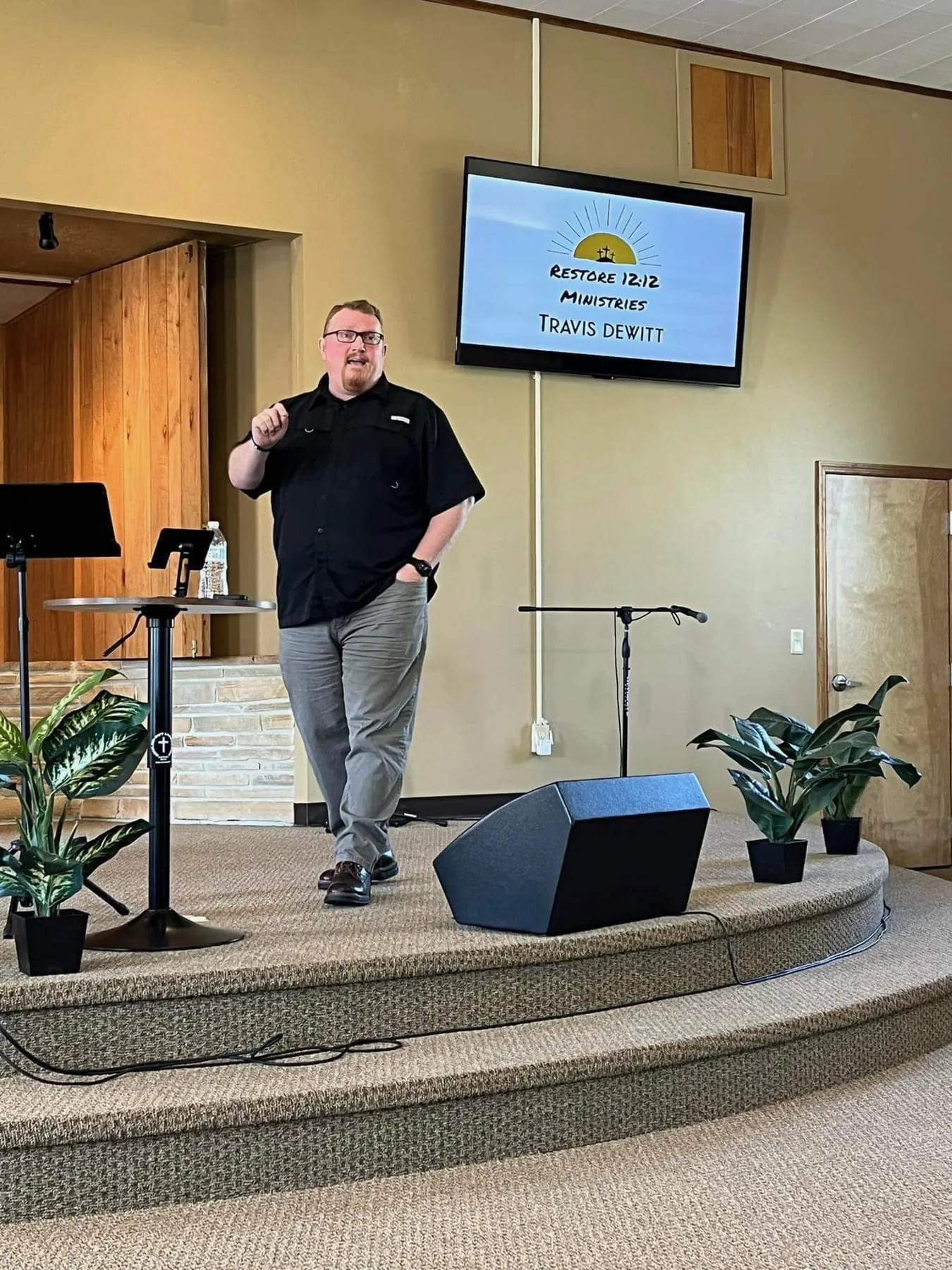
Travis DeWitt brings more than 30 years of frontline leadership experience across military special operations, vocational ministry, nonprofit leadership, and community-based mental health and addiction services. That experience makes room for the realities nonprofit leaders face: limited capacity, high stakes, deeply committed people, and the need to keep both care and accountability in view.
Threshold is especially suited to behavioral health, community mental health, and other mission-driven organizations. The work helps leaders bring more consistency to the way they set expectations, coach people, handle concerns, and follow through, while honoring the human reason the organization exists.
Meet Travis →A Practical Path Forward
Start with the leadership pressure your organization feels most.
- Get clear about the pattern. Begin with the situation that is taking the most energy: supervisors avoiding feedback, new managers feeling overwhelmed, inconsistent decisions, conflict that keeps resurfacing, or team members who are unclear about ownership.
- Focus on the leadership moments underneath it. A recurring problem is often connected to a few everyday habits: vague expectations, delayed conversations, unclear decision rights, weak handoffs, or follow-up that never happens. Naming those moments creates a more useful place to work.
- Choose support that fits your people. The next step may be a shared supervisor program, a focused workshop, peer learning, leadership coaching, or a combination. The right approach gives people enough time to learn, practice, apply, and come back to what happened.
- Keep development connected to daily service. The goal is not to add another task to a full calendar. It is to make the leadership work already happening more clear, consistent, and manageable for the people who carry it.
For organizations that want a shared development experience, Frontline Forward combines self-paced learning, live workshops, peer circles, and coaching follow-through over 12 weeks. The program gives supervisors a common language and repeated opportunities to put the work into practice.
A smaller or more focused need may call for a different starting point. The introductory conversation is a chance to describe the leaders you are developing, the conditions they are working in, and the result you want to create before choosing a program.
See the Frontline Forward program →Support That Stays Close To The Work
Make leadership a stronger part of how your organization delivers its mission.
When supervisors have a practical way to set expectations, address concerns, and coach people forward, teams spend less energy trying to decode the standard or recover from avoidable misunderstandings. That creates more room for good work, stronger service, and the relationships your mission depends on.
This does not require a generic leadership rollout or a perfect diagnosis on day one. It starts with an honest look at where your leaders are getting stuck and what would make their next conversations, decisions, and follow-up more effective.
Threshold helps organizations choose a level of support that matches the need. Whether you are developing first-time supervisors, strengthening a group of experienced managers, or building a more consistent leadership culture, the work stays focused on what people can use now.
Talk About Your Team