Leadership That Supports Good Care
The quality of leadership shapes the conditions where care happens.
In mental health services, frontline leaders carry a particular kind of responsibility. They are supporting staff through demanding work, responding to client needs, helping people make sound decisions, and keeping the team connected when capacity is tight. The work is human, immediate, and rarely predictable.
Strong clinicians and service professionals are often asked to supervise because they know the work and care about the people doing it. Then they are expected to coach, address concerns, delegate, handle tension, and make decisions that affect both the team and the people the program serves. Without practical leadership support, a capable supervisor can end up carrying every hard problem alone while staff receive inconsistent direction.
Mental health leadership training gives supervisors a steadier way to lead those moments. The aim is not to make caring leaders distant or overly scripted. It is to help them be clear enough that people know what matters, direct enough that concerns are addressed, and dependable enough that the team can trust the next step.
Where The Strain Builds
Leadership pressure often shows up between the urgent moments.
A supervisor may be covering an absence while a staff member needs guidance on a difficult situation. A handoff may leave important information unclear. A strong employee may be quietly taking on too much because ownership has not been named. A conversation about performance may be delayed because everyone wants to protect the relationship. None of these moments are unusual, but they become costly when the team has no reliable way to work through them.
The answer is not more policy language or another layer of meetings. Leaders need practical habits for the work already in front of them: making an expectation usable, asking before assuming, clarifying who decides what, responding to a concern early, and returning to an agreement when the day gets busy.
When supervisors have those habits, staff spend less energy trying to interpret the standard or recover from avoidable confusion. That creates more room for good judgment, stronger working relationships, and the consistent service people rely on.

Experience Close To The Work
Development works best when it respects the pressure leaders are carrying.
Training is most useful when a supervisor can use it in the next staff huddle, one-to-one, shift transition, or conversation about a missed expectation. That is the difference between a leadership idea people agree with and a leadership habit that helps them make a better decision when the room is busy.
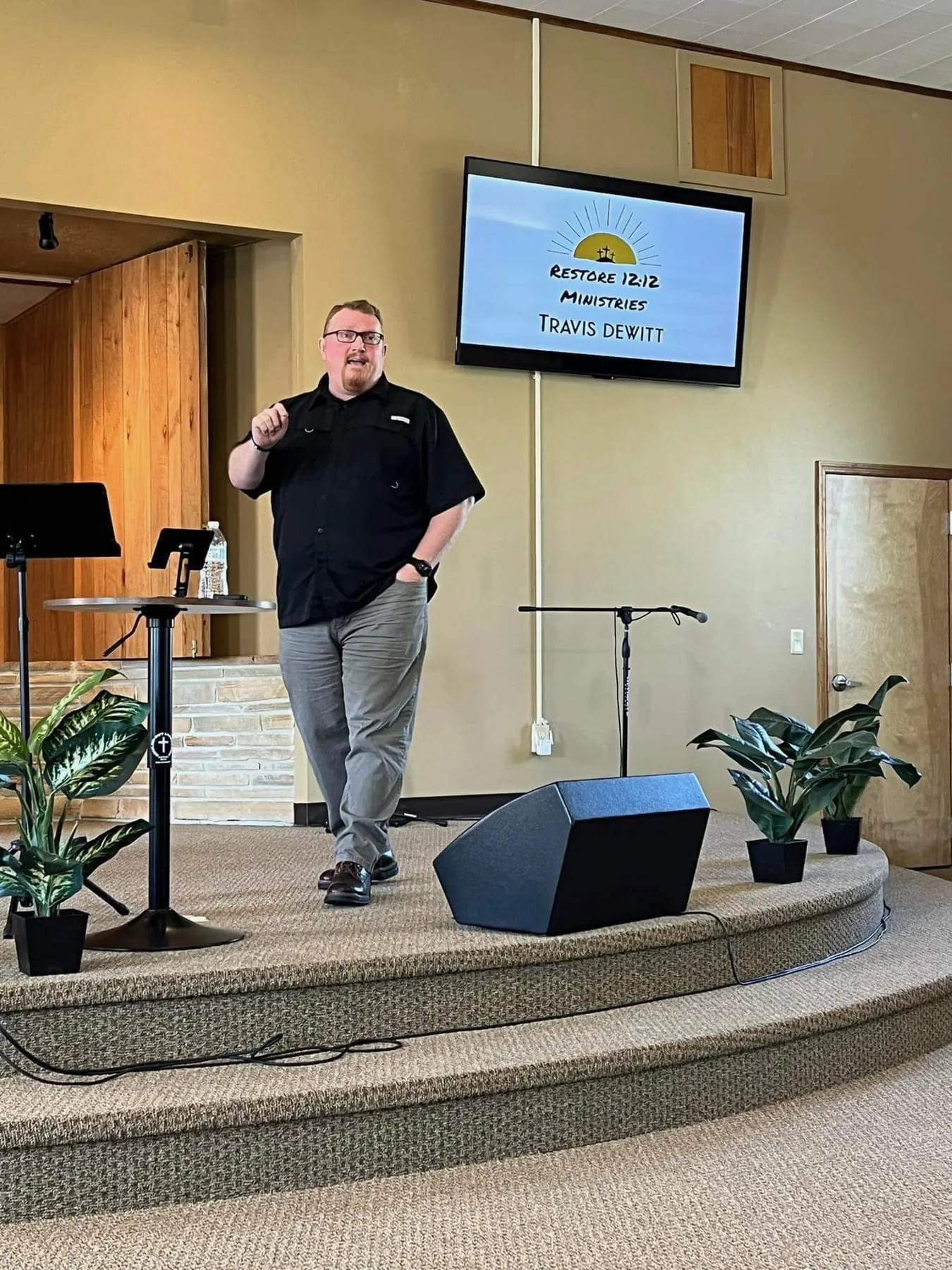
Travis DeWitt brings more than 30 years of frontline leadership experience across military special operations, vocational ministry, nonprofit leadership, and community-based mental health and addiction services. His perspective is shaped by settings where people need both clear standards and a real sense that their work, judgment, and humanity matter.
Threshold is especially suited to community mental health, behavioral health, addiction services, and other mission-driven organizations. The focus stays practical: helping leaders set expectations, coach people, handle concerns, and follow through in ways their teams can use.
Meet Travis →A Practical Starting Point
Begin with the leadership pressure your team feels most.
- Name the pattern. Start with the situation taking the most energy: new supervisors feeling overwhelmed, unclear handoffs, staff tension, inconsistent decisions, delayed feedback, or follow-up that never quite happens.
- Find the leadership moment underneath it. A recurring issue is often connected to a few ordinary habits, such as a vague expectation, an unclear decision boundary, a conversation no one wants to start, or a commitment that was never revisited.
- Choose support that fits the team. The right next step may be a shared supervisor program, a focused workshop, peer learning, individual coaching, or a combination. The goal is to give leaders time to learn, practice, apply, and come back to what happened.
- Keep it connected to daily service. Leadership development should not become another burden on a full calendar. It should make the leadership work already happening more clear, steady, and manageable for the people carrying it.
For organizations developing a group of supervisors, Frontline Forward combines self-paced learning, live workshops, peer circles, and coaching follow-through over 12 weeks. The program gives leaders a common language and repeated chances to put useful habits into practice.
If your need is smaller or more focused, an introductory conversation is a good place to describe the team, the current pressure, and the result you want before choosing a path.
See the Frontline Forward program →Support That Holds Up
Give your leaders a practical way to strengthen the team behind the care.
When supervisors have a clear way to set expectations, address concerns, and coach people forward, teams spend less energy trying to decode what is needed or work around avoidable misunderstandings. That makes room for stronger communication, better follow-through, and service that feels more consistent for everyone involved.
This work does not require a generic leadership rollout or a perfect diagnosis on day one. It starts with an honest look at where leaders are getting stuck and what would make their next conversations, decisions, and follow-up more effective.
Threshold helps organizations choose a level of support that matches the need. Whether you are supporting first-time supervisors, strengthening experienced managers, or building a more consistent leadership culture, the work stays close to what people can use now.
Talk About Your Team