Coaching That Stays Close
Bring the real leadership challenge, not a polished version of it.
Most managers do not need help because they lack good intentions. They need support because the work is complicated. You are responsible for results and relationships at the same time. You may need to address a missed expectation without damaging trust, make a decision with incomplete information, support a capable employee who is stuck, or stop carrying work that belongs with someone else.
Leadership coaching gives you a place to slow down long enough to see the situation clearly. Rather than handing you a script that may not fit, the conversation stays focused on your role, your team, and the next move that would make a difference. You bring the agenda. The work helps you sort through what matters, notice the options in front of you, and choose a step you can actually follow through on.
This is practical support for leaders who are close to the work. It respects that people are not problems to solve, while still making room for the standards, decisions, and follow-through a team needs from its manager.

The Work Starts With You
Good coaching makes more room for your own judgment.
A manager can spend so much time responding to other people’s needs that there is little space left to think. Every day brings a new question, a changing priority, a staffing concern, a conflict, or a decision someone wants you to make quickly. It is easy to become reactive and call that leadership because the pace leaves no obvious alternative.
Coaching creates a deliberate pause. You can name what is happening without having to perform certainty. You can look at the pattern beneath the latest incident. You can test an assumption, consider a different approach, and decide how you want to show up before the next conversation starts.
That matters because your team learns from more than your answers. They learn from how you listen, whether you make expectations clear, how you handle pressure, and whether your follow-through matches your words. A leader who can stay grounded gives other people a steadier place to work.
Use the Hard Conversation Checklist →A Clear Way Forward
Coaching is built around the work you want to move.
- Start with the situation. Bring the challenge, opportunity, or leadership habit that needs attention. You do not need to have the right language for it yet. A real example gives the work something useful to hold onto.
- Get clear about what matters. Look at the people involved, the pressure around the situation, the standards that need to be held, and the outcome you want to create. Clarity is not about simplifying people. It is about knowing what needs your attention first.
- Choose the next move. Turn reflection into action: a conversation to schedule, an expectation to clarify, a decision to make, or a practice to repeat. The next step should be specific enough to use when the work gets busy again.
- Return to what happened. Follow-through creates learning. Notice what changed, what stayed difficult, and what the next conversation is asking of you. Coaching is not about getting everything right on the first attempt. It is about building the capacity to keep leading thoughtfully.
The first conversation is not a test. It is a chance to name the work as it is, including the parts that feel uncertain or hard to explain. From there, the focus stays practical: what would a stronger next attempt look like, and what support would help you make it?
The point is not to make you sound like someone else. It is to help you lead with more clarity, courage, and consistency in the role you already hold.
Experience That Understands The Stakes
Practical perspective for leaders carrying real responsibility.
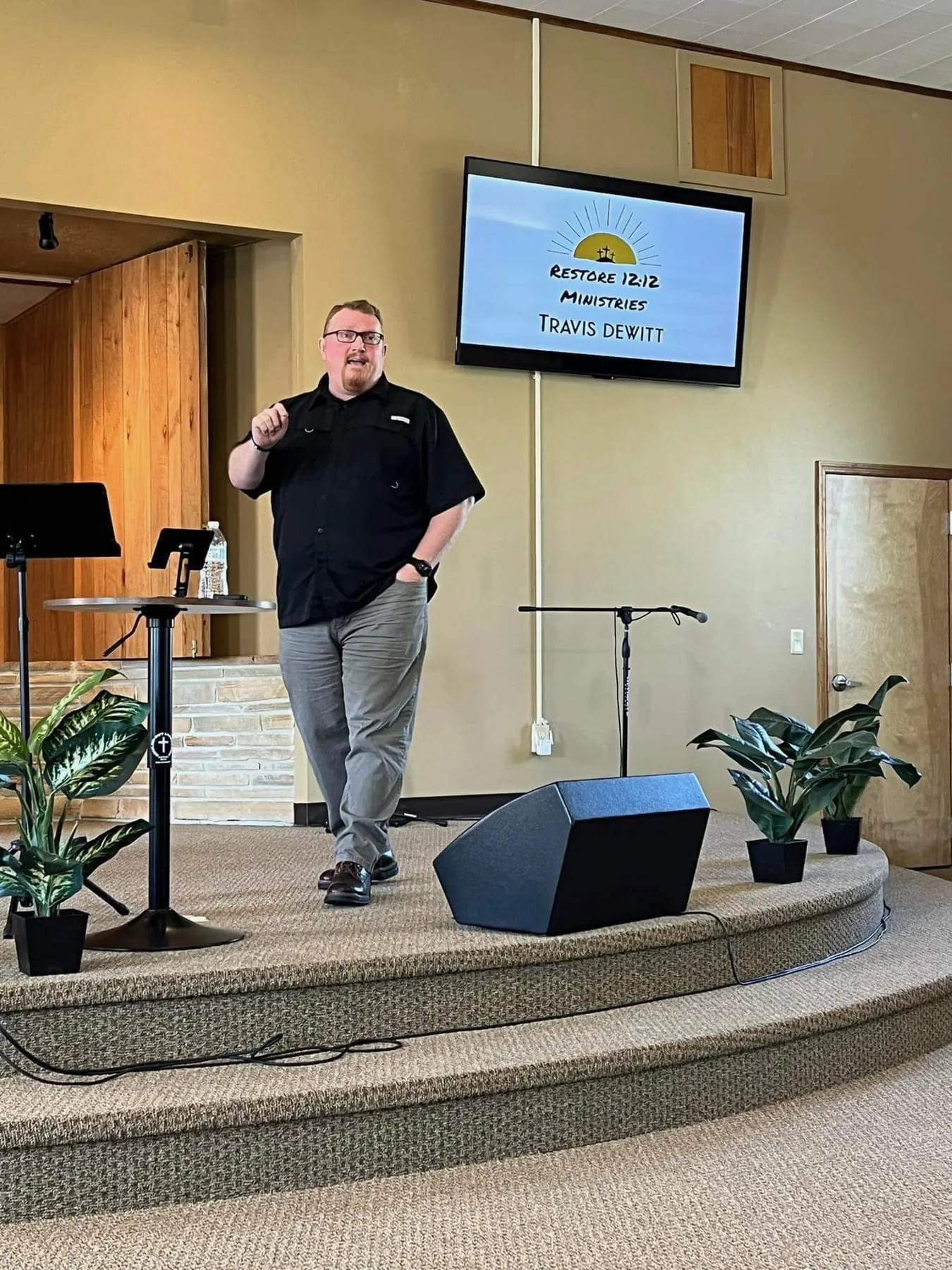
Travis DeWitt brings more than 30 years of frontline leadership experience across military special operations, vocational ministry, nonprofit leadership, and community-based mental health and addiction services. His work is grounded in the reality that leaders are often asked to make hard calls, care for people, and keep the work moving all at once.
Through Threshold Coaching & Consulting, Travis offers two client-led one-to-one coaching paths. PEAK Start is a focused four-session engagement for one challenge that needs a clear next move. The Summit Program provides ten sessions for a larger goal that needs time, reflection, and steady momentum. Both keep the work connected to what you are facing now.
Coaching is a partnership. You know your people, your work, and your responsibility. The conversation gives you practical space to use that knowledge well, strengthen your judgment, and move forward with an action you can stand behind.
Book a 15-Minute Intro