Leadership That Holds Up
Good leadership is not distant from the work. It makes the work more possible.
Frontline leaders live where people, pressure, and priorities meet. A team member is out. A handoff falls apart. A client needs an answer. A deadline moves. Someone is frustrated and another person is waiting for direction. The work cannot pause while you find the perfect response.
Practical frontline leadership training helps you meet those moments with a few dependable habits. Name what matters. Ask enough questions to understand what happened. Make the next step clear. Come back when you said you would. Those habits do not remove the hard parts of leadership, but they give your team a steadier way through them.
That steadiness matters because your team takes its cues from what happens in ordinary moments. When you stay clear under pressure, people know what to do. When you listen before deciding, they are more likely to bring you the real problem. When you follow through, they learn that an agreement means something.

When Pressure Rises
Protect the work in front of you, then help the team get stronger.
When a shift is short-staffed or a key task is slipping, the immediate problem deserves attention. Solve what needs to be solved. Then make room for the leadership question: what expectation, skill, decision, or obstacle made this harder than it needed to be?
That second question separates a team that survives one hard day from a team that learns from it. It helps you notice whether people need more clarity, more practice, better coordination, or a conversation someone has been avoiding. The answer is rarely a complicated framework. It is usually a more useful next conversation.
Leaders do not have to choose between caring about people and being clear about the work. Both matter. The strongest conversations make room for context, name the standard plainly, and leave each person knowing what a better next attempt looks like.
Use the Hard Conversation Checklist →Built From The Trenches
Perspective shaped by real responsibility, not a distant theory.
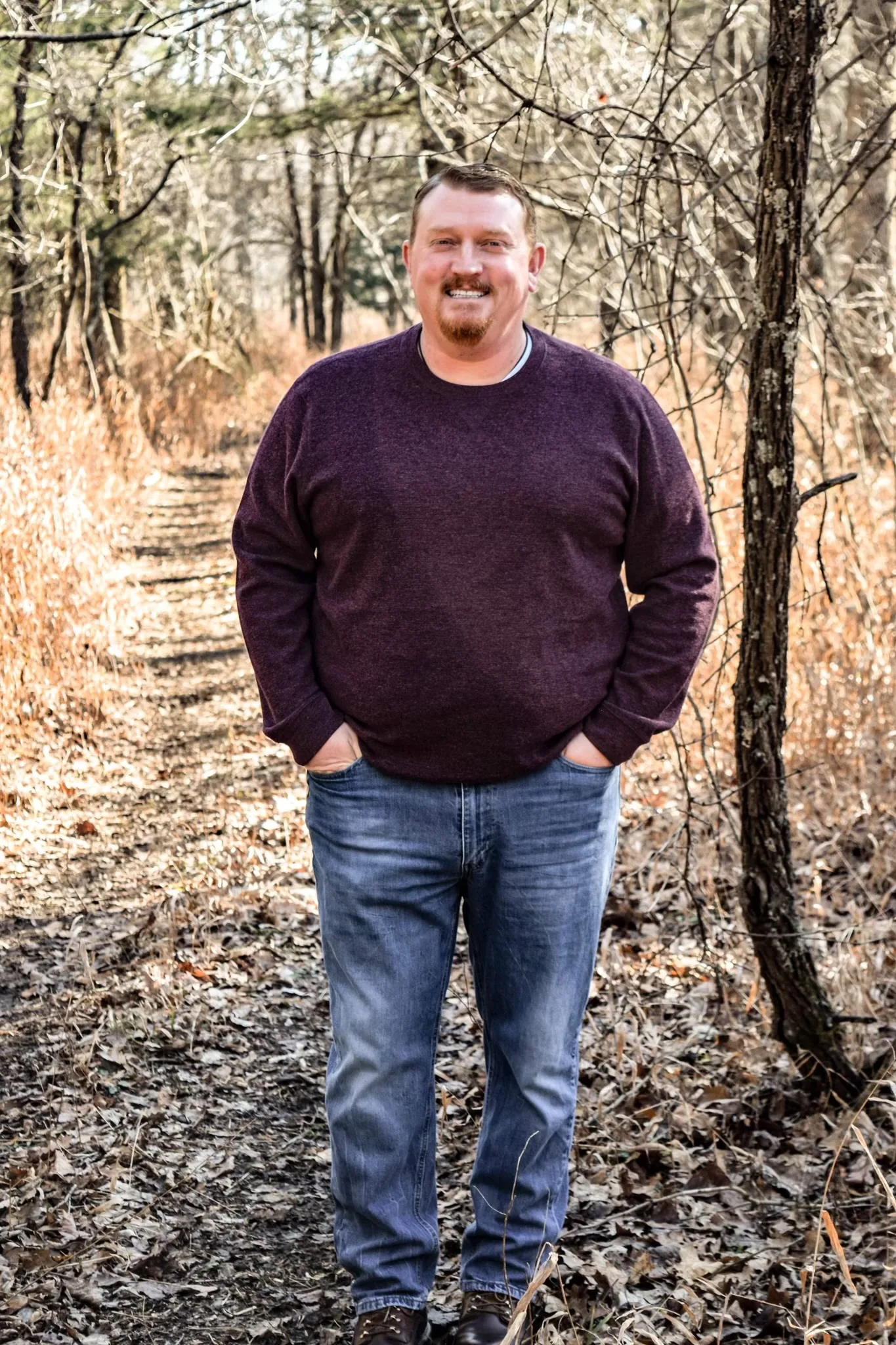
Travis DeWitt has spent more than 30 years leading frontline teams in military special operations, vocational ministry, nonprofit leadership, and community-based mental health and addiction services. He understands that leadership is personal, immediate, and often demanding.
Muddy Boots Leadership exists for people who want to lead with more clarity and steadiness while staying human in the process. The point is not to turn someone into a polished executive version of themselves. It is to help them become more dependable for the people counting on them.
That perspective keeps the focus where it belongs: on the conversations, decisions, and routines that shape whether people feel supported, understand what is expected, and can do their best work together.
Meet Travis