Leadership Behind Good Care
Your supervisors are holding the work together while the day keeps moving.
Behavioral health leaders work in the middle of competing needs. A client situation may need immediate attention. A staff member may need support after a hard interaction. A documentation deadline, referral, staffing gap, or care coordination decision is still waiting. The supervisor has to make the work make sense for people who are already carrying a great deal.
Many capable clinicians, peer specialists, case managers, and recovery professionals move into supervision because they know the work and care deeply about the people doing it. Then they are expected to set priorities, coach performance, make fair decisions, address tension, and keep the program connected to its commitments. Those are leadership skills, and they deserve more than a quick promotion and a stack of policies.
Behavioral health leadership training gives supervisors a practical way to lead the ordinary moments that shape a team: a handoff that needs clarity, a concern that should not wait, a staff member who needs coaching, or a commitment that needs to be revisited. The aim is not to make people less human. It is to help leaders be clear enough that their teams know what matters and supported enough that they can do the work well.
Where Teams Get Stuck
When every issue feels urgent, the leadership work can become invisible.
In a demanding program, leaders can spend the day responding instead of leading. One supervisor becomes the answer to every question. Another delays a hard conversation because the relationship matters. A strong staff member quietly carries more than is reasonable because no one has named ownership. A decision gets made in the moment, but the team never hears the reason or the next step.
Those patterns are understandable, but they cost people. Staff begin to guess at priorities, work around uncertainty, or bring every problem upward. Supervisors become exhausted from holding work that the team could carry with clearer boundaries and better coaching. Clients feel the effects when a team is stretched, disconnected, or unsure about how to move forward together.
The answer is rarely another meeting or a more complicated process. Leaders need habits they can use in the work already in front of them: make an expectation concrete, ask before assuming, separate an immediate concern from a longer conversation, name who decides what, and return to a commitment when the pressure eases. Those small, repeatable practices help a team stay connected to both people and purpose.

Experience Close To The Work
Leadership development has to respect the pace and the people behind the service.
Useful training should give a supervisor something they can use in the next huddle, one-to-one, shift transition, or conversation about a missed expectation. That is where a leadership idea becomes a leadership habit, when a person has to balance a real relationship, an immediate decision, and the work that cannot wait.
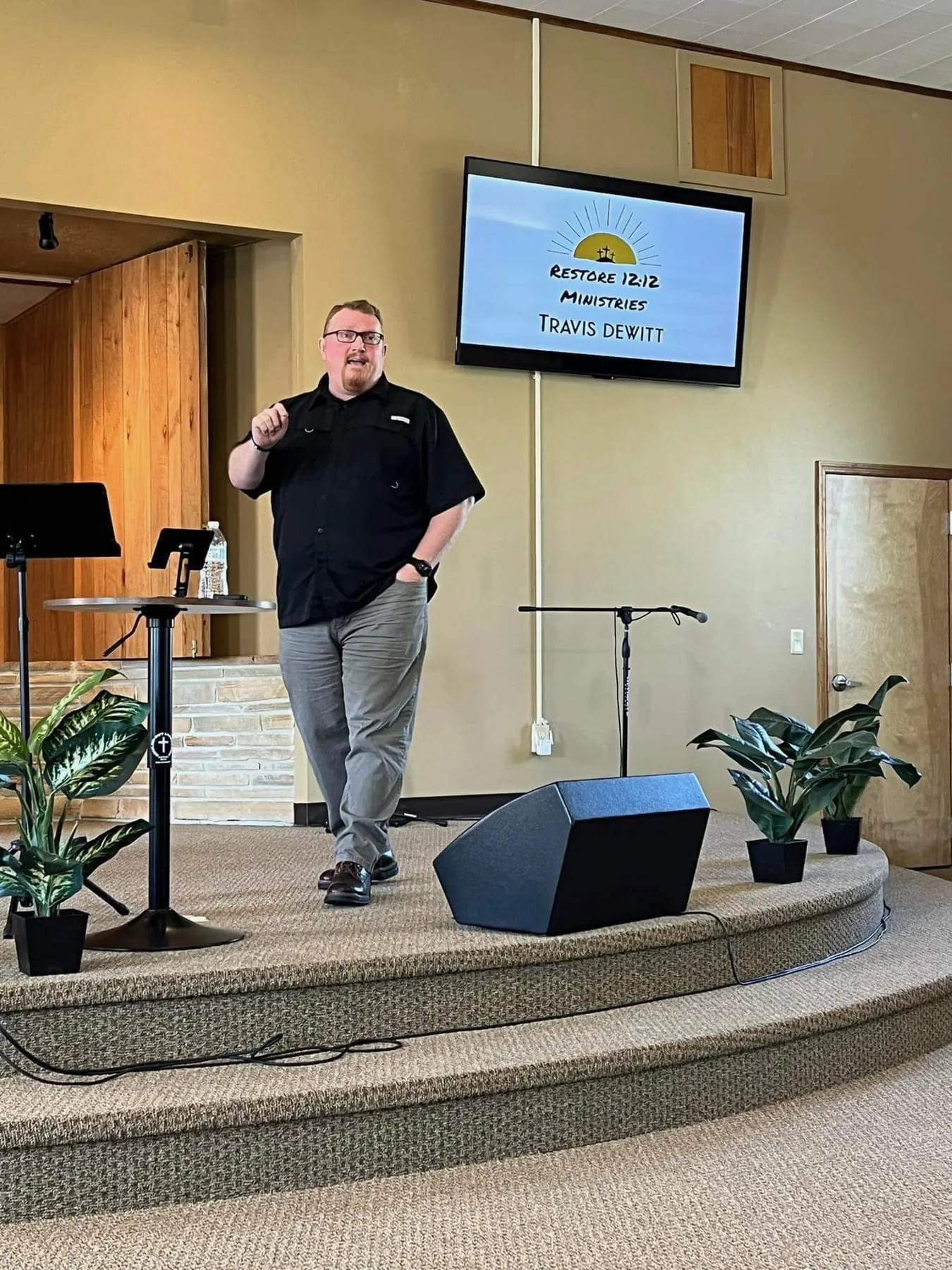
Travis DeWitt brings more than 30 years of frontline leadership experience across military special operations, vocational ministry, nonprofit leadership, and community-based mental health and addiction services. He understands that behavioral health leaders are not managing a generic workplace. They are leading people whose work gets personal, where trust and clear standards both matter.
Threshold keeps the focus on what supervisors can influence directly: clear expectations, sound questions, fair conversations, decision boundaries, and follow-through people can believe in. The work respects the clinical expertise and systems already in place while strengthening the day-to-day leadership that makes those systems easier to use.
Meet Travis →A Practical Starting Point
Start with the leadership pressure that is taking the most energy now.
- Name the recurring moment. Look at the situations that keep showing up: unclear priorities, difficult feedback, uneven supervision, strained handoffs, staff turnover, decision bottlenecks, or follow-up that disappears under daily pressure.
- Find the leadership habit underneath it. A recurring problem often points to a few practical gaps, such as a vague expectation, an unclear decision boundary, a conversation no one wants to start, or a commitment that was never revisited.
- Choose support that fits the team. The right next step may be a focused workshop, a shared supervisor program, peer learning, individual coaching, or a combination. The goal is enough room to learn, practice, apply, and come back with a better question.
- Keep it connected to service. Leadership development should not become another burden on a full calendar. It should make the conversations, priorities, and follow-through that are already happening more clear, steady, and manageable.
For organizations developing a group of supervisors, Frontline Forward combines self-paced learning, live workshops, peer circles, and coaching follow-through over 12 weeks. It gives leaders a common language and repeated chances to apply useful habits to the work they are doing now.
If your need is smaller or more focused, a short introductory conversation is a useful place to describe the program, the current pressure, and the change you want to see before choosing a path.
See the Frontline Forward program →Support That Holds Up
Give behavioral health leaders a clearer way to lead the people behind the care.
When supervisors can set expectations, coach people forward, make decisions visible, and return to commitments, teams spend less energy trying to interpret what is needed or recover from avoidable confusion. That leaves more room for sound judgment, stronger working relationships, and dependable service.
This does not require a generic leadership rollout or a perfect diagnosis on day one. It begins with an honest look at where leaders are getting stuck, what the team needs to carry well, and what a more reliable next conversation would make possible.
Threshold helps organizations choose a level of support that fits the need, whether you are supporting first-time supervisors, strengthening experienced managers, or building a more consistent leadership culture across a program.
Talk About Your Team